The dental implant cost on your treatment plan is rarely one number, and this page explains every line. Dr. Jamielynn Hanam-Jahr, DDS, has practiced in Beverly Hills for over 25 years. She holds California License #46068, and patients bring her two quotes for the same tooth, thousands apart. The gap looks like markup from the outside. It’s almost always scope.
By the end you’ll know the three parts of an implant. You’ll also know what gets billed alongside them, and the codes printed down the page. The fear here isn’t really the price. It’s putting your name on a document you can’t fully read, then meeting charges nobody mentioned.
What Are the Three Parts of a Dental Implant?
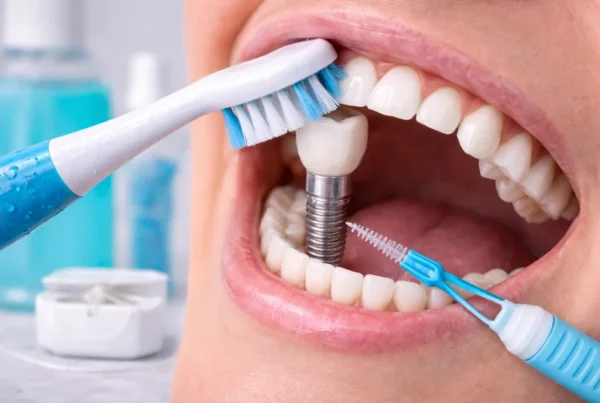
A single dental implant has three separate parts. The implant body sits in the jawbone, the abutment connects to it, and the crown goes on top. Each carries its own billing code and its own price. That is why one implant produces three charges.
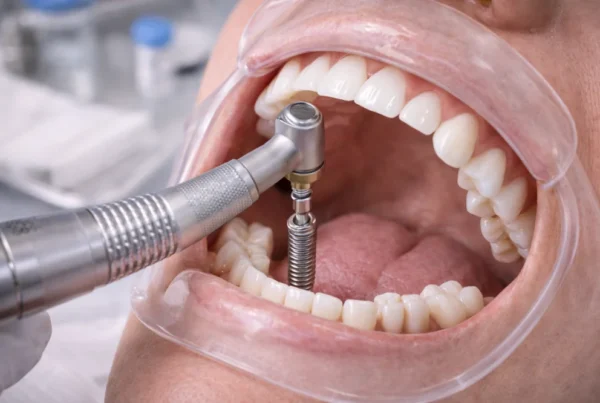
The implant body is a titanium post placed surgically into the jaw, and it bills under CDT code D6010. The abutment screws into that post and rises through the gum, coded D6056 when prefabricated and D6057 when custom. The crown is the visible tooth, billed under D6058 or D6065. Reading dental implants as a three-part system is what lets you check a quote against itself.
Why Do Two Implant Quotes Look So Different?
Two implant quotes can look nothing alike. One bundles all three components into a single figure, and the other itemizes them across separate lines. A quote naming only the implant body has left out two parts. So you’re comparing one charge against three.
Advertised implant pricing usually describes the surgical placement and nothing else. The abutment and the crown arrive as separate charges months later, once the bone has healed around the post. Neither practice has done anything improper. Both are billing the way the code set is built, and one document simply carries more detail than the other.
So the first question to ask about any quote is what it leaves out. A plan listing one line and one price is telling you far less than a plan listing four. The longer document is generally the more honest one, and it only looks more expensive at first.
What Gets Billed Separately From the Implant Itself?
Site preparation bills separately from the implant, every time. Bone grafting, extraction, imaging, and sedation each carry their own codes and their own fees. Need two of these before placement and your total climbs. If your site is already sound, none of them show up on the plan at all. Five items appear more often than the rest.
- Bone grafting where the ridge lacks height or width
- Extraction of the failing tooth still in the socket
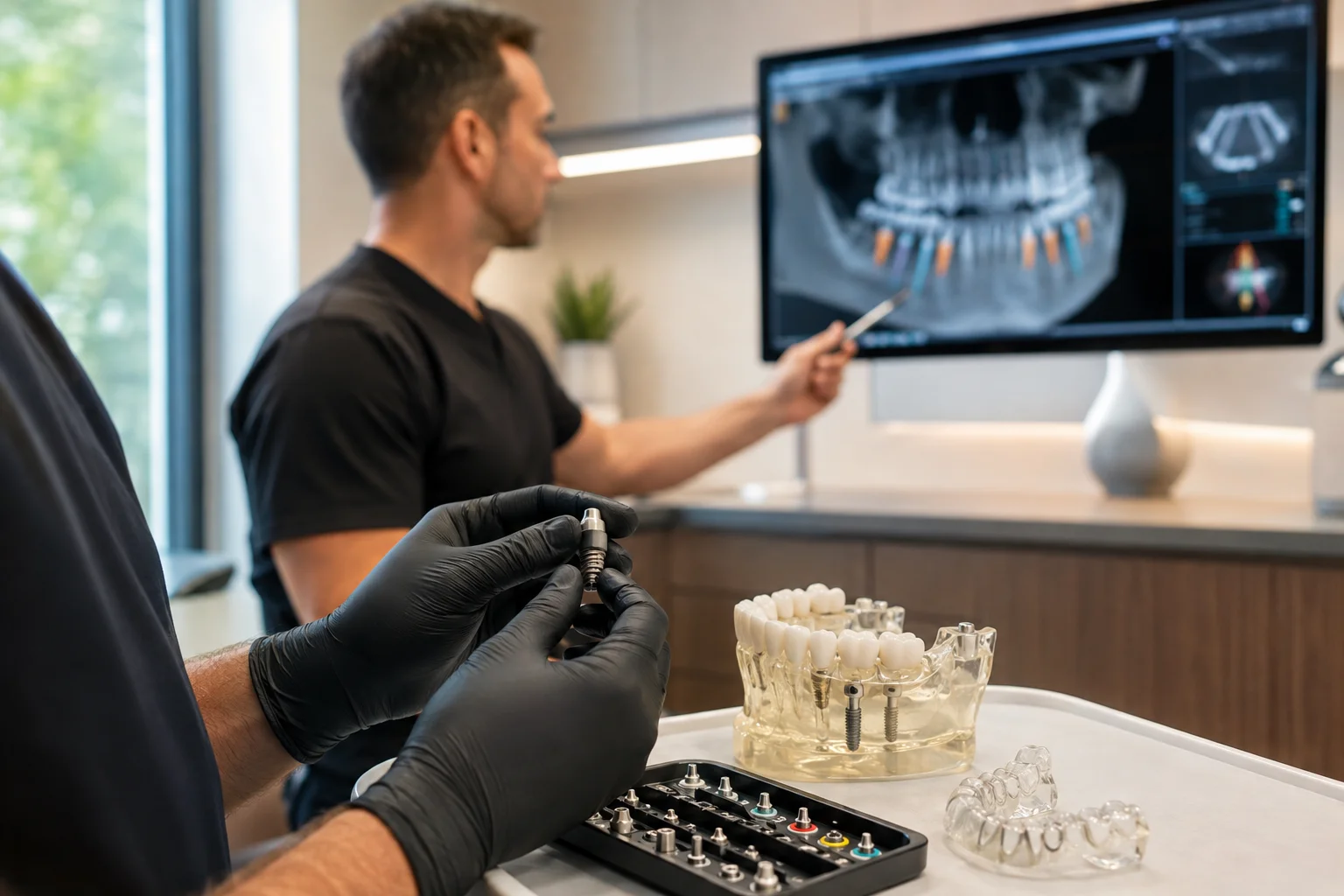
- Imaging, including panoramic films and 3D scans
- Sedation, when the patient asks for it
- A healing abutment or temporary crown during integration
None of them are there by default. A bone graft gives the post enough bone to hold onto. A tooth extraction clears the socket first. Where the site is already healthy, these lines drop off the plan and the total falls with them.
How Do You Read an Implant Treatment Plan?
Match every line on the plan to its code, then ask when each one gets charged. A single-tooth restoration usually runs across three or four codes, spread over several months of treatment. Seeing the sequence written down turns an intimidating total into a schedule you can plan around.
| CDT code | What it covers | When it appears |
| D6010 | Surgical placement of the implant body | First surgical visit |
| D6056 or D6057 | Prefabricated or custom abutment | After the implant integrates |
| D6058 or D6065 | The crown fitted over the implant | Final restorative visit |
| D7950 series | Bone grafting at the implant site | Before or during placement |
Those codes sit on your plan whether anyone points them out or not. Asking which ones appear, and in what order, gives you a document you can carry to a second opinion. Dr. Hanam-Jahr sequences restorative work from health outward, reviewing the bite and the gums first. She sorts what she finds into urgent, important, and optional. Patients hear which category each line falls into before anything is approved.

How Does Dental Insurance Handle an Implant?
Most dental plans cap what they pay across one calendar year. Implant plans routinely run past that cap, and coverage varies by plan and by contract. The number a neighbor received tells you nothing about your own. The cap, rather than the percentage, usually decides your out-of-pocket figure.
Implant treatment already spans months from placement to crown. The surgical phase and the restorative phase therefore land in different plan years fairly often. Where the timing works clinically, that sequence can draw on two annual maximums instead of one. Dr. Hanam-Jahr talks this through before treatment starts rather than after the first claim. Plan terms differ, so any benefit depends on your own coverage.
What Should You Ask Before You Approve the Plan?
Four questions separate a complete estimate from a partial one. Ask them at the consultation, before anything gets scheduled. Patients who ask all four rarely meet a charge they didn’t expect. The questions take under a minute, and the answers shape the whole plan.
- Does this figure include the abutment and the crown?
- Which codes are on the plan, and in what order?
- What site preparation do I need, and what does each item cost?
- What does my plan pay, and when does the annual maximum reset?
Any practice willing to answer these in writing has handed you something you can compare. A practice answering only with one bundled number hasn’t. The point isn’t distrust, it’s holding a document detailed enough to decide from.
Knowing What Each Line Covers Before You Decide
Patients reach the Bedford Drive medical corridor from Westwood, Century City, and across the Westside. Most arrive asking the same thing about what their plan really covers. A clear estimate isn’t a sales document. It’s a schedule of what happens, in what order, and what each step costs. You leave the consultation knowing exactly what you’re paying for.
Dr. Jamielynn Hanam-Jahr, DDS, California License #46068, will walk your plan line by line. She’ll tell you plainly what’s urgent and what can wait. Individual results vary, and every plan follows what the exam and the imaging show. Run your own numbers with the practice implant cost estimator, then bring them to a consultation. Call (310) 276-2088 to arrange a visit.
Frequently Asked Questions
How long do dental implants last?
Implants are built to be permanent, and the crown attached to one is the part most likely to need replacing. The Cleveland Clinic notes that a dental implant can last a lifetime with proper care. Longevity depends on daily hygiene, gum health, and regular professional visits. Individual results vary, and no outcome can be guaranteed.
How long does the implant process take from start to finish?
Implant treatment is measured in months rather than weeks. The bone has to grow tightly around the post before a crown can be loaded onto it. The Mayo Clinic notes that bone healing after implant placement takes time and extends the process. Cases needing a graft first run longer still, and your own timeline follows what the imaging shows.
Who decides whether a dental plan pays for an implant?
Your insurer decides, rather than your dentist or a professional body. The American Dental Association states that a benefit plan’s own guidelines, policies, and exclusions determine coverage. Reimbursement follows the terms of the plan or the participating provider contract. This is why two patients in one office receive different estimates. Ask your carrier for a pre-treatment estimate in writing.
Can you still get an implant years after losing a tooth?
Often yes, though a longer gap raises the odds that grafting comes first. Bone recedes once a root is gone. The American Academy of Implant Dentistry publishes patient guidance on implant candidacy and cost for this situation. An examination and imaging are the only reliable way to know what your site needs. Results vary from patient to patient.