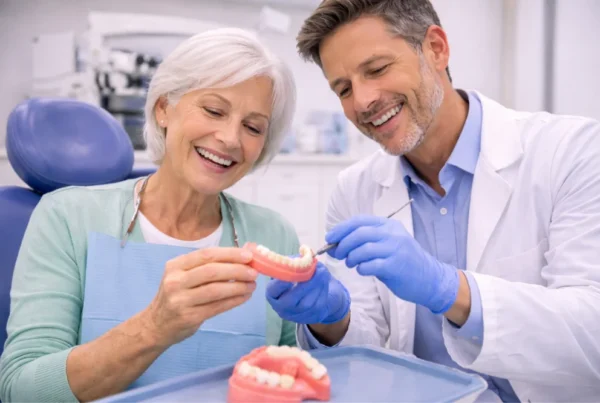

Dentures today can restore a smile, chewing ability, and facial support, but many patients feel confused about which type is actually right for them. Some people hear about full dentures, others about partial dentures or implant supported options, and it is not always clear how these choices compare in everyday life. This guide explains the different types of dentures in plain language so you can understand how each option works and which one may fit your smile, comfort goals, and lifestyle best.
Dr. Jamielynn Hanam Jahr of Beverly Hills Aesthetic Dentistry has spent more than two decades helping patients rebuild comfortable and natural looking smiles after tooth loss. As a DDS and long standing member of the ADA, CDA, and AACD, she approaches denture treatment with both restorative precision and cosmetic planning. Patients from Beverly Grove, West Hollywood, Bel Air, Beverly Crest, and the Golden Triangle often arrive with the same question: which denture option will actually feel stable, look natural, and fit their day to day life.
Understanding Modern Denture Options
Tooth loss affects far more than appearance. It changes how people chew, speak, and even how the face is supported over time. Modern denture options are designed to restore these functions while helping patients regain confidence in their smile.
Full dentures replace every tooth in an arch, partial dentures fill gaps while preserving healthy teeth, immediate dentures provide teeth the same day extractions occur, and implant supported dentures use implants for greater stability. Each option solves tooth loss differently and offers different levels of comfort, stability, and long term maintenance. Understanding these differences makes it easier to choose a treatment that fits both lifestyle and long term expectations.
Full Dentures
Full dentures replace every tooth in either the upper or lower jaw. They sit on the gums and restore chewing ability and facial support for patients who have lost all teeth in one arch. Many people explore this option after years of dental problems, advanced decay, or gum disease that made saving teeth difficult.
Two common forms of full dentures include conventional dentures and immediate dentures. Conventional dentures are created after the gums heal from extractions, which allows a more stable long term fit. Immediate dentures are placed the same day teeth are removed so patients do not have to go through the healing period without teeth.
Partial Dentures
Partial dentures are designed for people who still have several healthy teeth remaining. Instead of replacing an entire arch, they fill the spaces where teeth are missing while anchoring to existing teeth for support. This approach helps restore chewing ability while also preventing nearby teeth from drifting out of position.
Modern partial dentures may use metal frameworks, acrylic bases, or flexible materials designed to blend with natural teeth. Cosmetic focused practices often customize tooth shape and color so the denture blends with the surrounding smile. This makes partial dentures both a functional and aesthetic solution when several teeth are missing.
Immediate Dentures
Immediate dentures are made before teeth are removed and placed immediately after extractions. This allows patients to leave the office with teeth the same day instead of waiting through a healing period without them. For many people, maintaining appearance during healing is one of the biggest benefits of this option.
Because the mouth changes shape as gums heal, immediate dentures often require adjustments or relines after several months. Some patients eventually transition to a final denture or an implant supported restoration after healing is complete. This staged approach allows both comfort and aesthetics to improve over time.
Implant Supported Dentures
Implant supported dentures attach to dental implants placed in the jawbone instead of relying only on suction against the gums. These implants function like artificial tooth roots and hold the denture more securely during chewing and speaking. Many patients say this option feels much closer to natural teeth.
Implant supported dentures may be removable overdentures that snap onto implants or fixed full arch restorations secured permanently to implants. Although they require surgery and a longer treatment timeline, they often provide significantly greater stability and chewing strength than traditional dentures. For patients who want the most natural feel, this option is often considered the closest alternative to natural teeth.

The Key Denture Options at a Glance
Before choosing a treatment, it helps to compare the main denture options side by side. Each solution addresses tooth loss differently and provides different levels of stability and maintenance. Seeing these differences clearly helps patients decide which approach fits their priorities.
| Denture Type | Best For | Stability | Typical Timeline |
| Full Dentures | Missing all teeth in one arch | Moderate | After healing from extractions |
| Partial Dentures | Missing several teeth but keeping others | Moderate to good | Short treatment timeline |
| Immediate Dentures | Same day teeth after extraction | Moderate initially | Same day placement |
| Implant Supported Dentures | Maximum stability and bite strength | High | Longer implant treatment timeline |
This comparison helps patients understand why implant supported dentures feel the most stable while traditional dentures remain effective solutions for many situations. A consultation allows your dentist to evaluate bone health, remaining teeth, and lifestyle priorities before recommending a specific option.
Advantages Patients Consider When Choosing Dentures
Patients evaluating denture options often focus on stability, comfort, and long term appearance. Each type of denture offers different advantages depending on the patient’s health, expectations, and lifestyle needs.
Common advantages patients consider include restored chewing ability, improved facial support, customized aesthetics, and flexible treatment paths that allow future upgrades to implant supported solutions. When dentures are designed carefully, they restore both daily function and personal confidence.
How Dentures Fit Into a Smile Restoration Plan
Dentures rarely exist in isolation within modern dentistry. Many patients combine dentures with implants, cosmetic dentistry, or bite correction to improve comfort and long term stability. This broader approach helps ensure the final smile looks balanced and functions comfortably.
A comprehensive plan may include digital smile design, implant evaluation for additional support, cosmetic coordination such as whitening or veneers on remaining teeth, and long term maintenance through regular checkups. Planning the entire smile often produces results that look more natural and last longer.
Finding the Right Denture Option for Your Smile
Choosing dentures can feel overwhelming because several options may technically work. The real goal is identifying the solution that fits your lifestyle, expectations, and long term dental health. When the process is explained clearly, patients usually feel far more confident about their decision.
Dr. Jamielynn Hanam Jahr and the team at Beverly Hills Aesthetic Dentistry guide patients through each option step by step. By reviewing photos, digital scans, and treatment goals, patients can see how each denture option may look and function before committing. That clarity helps patients move forward with confidence instead of uncertainty.
Beverly Hills Aesthetic Dentistry
435 N Bedford Dr #414, Beverly Hills, CA 90210
(310) 276-2088
https://mybeverlyhillsdentist.com
Frequently Asked Questions
What are the main types of dentures?
Patients researching dentures usually want to understand the basic options before committing to treatment because tooth replacement can feel overwhelming. A more helpful question is which denture type best fits your health, lifestyle, and long term goals. Full dentures replace all teeth in one arch, partial dentures replace several missing teeth while preserving healthy ones, immediate dentures provide teeth the same day extractions occur, and implant supported dentures anchor to implants for improved stability and chewing strength.
Are implant supported dentures better than traditional dentures?
Many patients ask this because they worry about dentures moving while eating or speaking. A better question is whether implant supported dentures would improve stability and comfort for your specific situation. Implant supported dentures attach to implants placed in the jawbone, which often provides stronger bite force and stability compared with traditional dentures, although they require surgery and additional planning.
Can dentures look natural today?
Patients often worry that dentures will look artificial or bulky. A more useful question is how dentures can be designed to match facial features and natural smiles. Modern dentures use improved materials, digital design, and customized tooth shapes so they blend naturally with facial structure.
How long do dentures usually last?
Patients frequently ask this because they want to understand how long their investment will last. A more helpful question is how dentures should be maintained to stay comfortable and functional. Most dentures last several years before replacement is needed, but regular dental visits and proper cleaning help maintain their fit as the mouth changes over time.