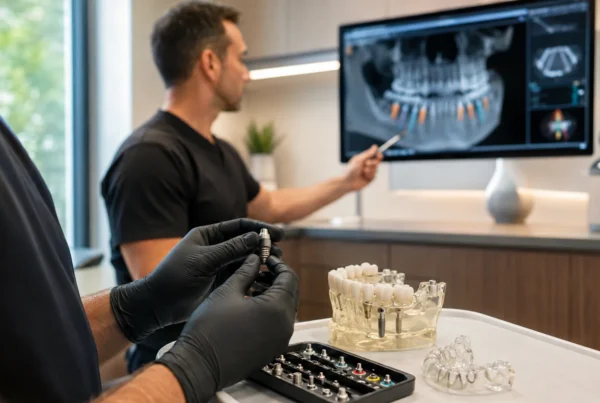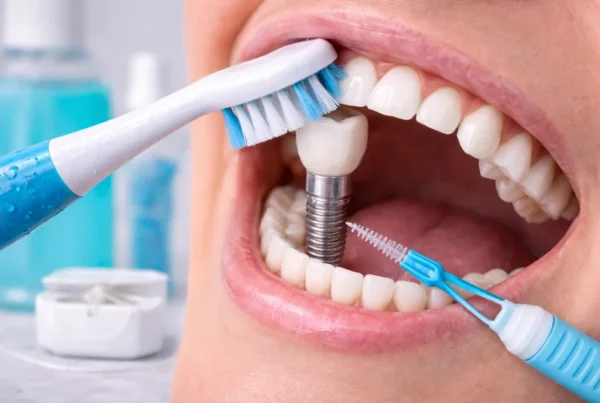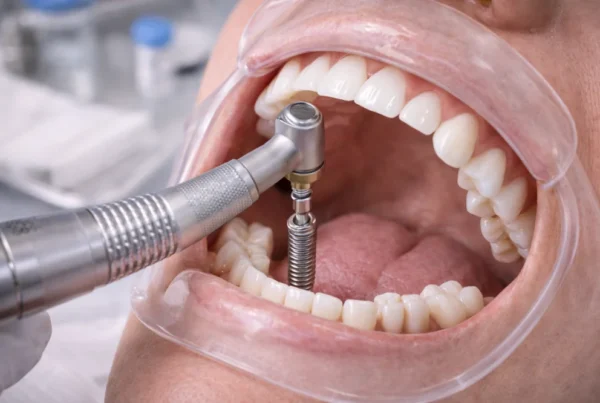

Someone told you that you cannot have dental implants, and you believed them. Beverly Hills Aesthetic Dentistry hears that from Beverlywood patients most months. Dr. Jamielynn Hanam-Jahr, DDS, California License #46068, would rather check than take that answer at face value. Very few conditions rule implants out permanently.
Bone loss, gum disease and most health conditions delay implants rather than cancel them. The usual answer is treat the problem first, then place the implant. A handful of situations are genuinely permanent, and this page names them. Results vary from one patient to the next.
What actually disqualifies you from dental implants?
Very few conditions disqualify you from dental implants permanently. The four people hear most are bone loss, gum disease, diabetes and smoking. Each is a condition to manage before surgery, not a closed door. The American Dental Association says your health matters more than your age.
What changes is the order of treatment and how long it takes. A dental implant replaces the tooth root, so the bone around it has to hold. That is a schedule rather than a refusal. Ask whether a no means never or means not yet. Those two answers lead to very different plans.
Does bone loss mean you cannot get implants?
Bone loss is the most common reason patients are told no. It is also the most fixable of the four. A dental bone graft rebuilds the jaw where bone has gone. Cleveland Clinic notes full healing of a graft can take up to one year.
That year is the real cost of bone loss, and it is time rather than a verdict. Grafting is not the only route available to you. All-on-4 implants angle the posts to use bone that is already there. Which option fits depends on where the bone is missing and how much.
Can you get implants if you have gum disease?
Active gum disease has to be treated before an implant goes in, not instead of one. The American Dental Association reports chronic periodontitis affects 47.2% of adults over 30. Early gum disease is still reversible with treatment. Later stages need treatment first, and implants become possible after.
Gum disease treatment is what turns a no into a not yet. Placing an implant into infected tissue invites the same infection around the implant. Dentists call that peri-implantitis, and it is a leading reason implants fail late. Treating first protects the money and the months you are about to spend.
Does diabetes disqualify you from dental implants?
Diabetes appears on almost every disqualifier list online. The research is less certain than those lists suggest. A meta-analysis of 51 studies covered more than 40,000 implants. It found no significant link between diabetes and implant failure. Smoking, in the same analysis, nearly doubled the risk.
That does not mean diabetes is irrelevant to your plan. The American Dental Association notes chronic illness can interfere with healing after surgery. The honest reading is that control matters more than diagnosis. Ask your dentist and your physician to look at your case together.
Does smoking disqualify you from dental implants?
Smoking is the disqualifier with the strongest evidence behind it. The same meta-analysis found smokers faced roughly twice the failure risk of non-smokers. The FDA also warns smoking may affect healing and reduce long-term success. Even so, smoking is a risk factor rather than a bar.
Most surgeons ask patients to stop before surgery and stay off it while bone heals. That window is where the damage happens, because nicotine narrows the vessels feeding the site. Quitting for the healing period measurably improves the odds. Nobody will refuse to treat you for smoking, though the conversation should be honest.

Which reasons are temporary and which are permanent?
Sorting the list into two columns helps more than reading it as one. Most of what patients get told falls on the temporary side. The permanent column is genuinely a narrow one. The table below splits them the way a dentist would.
| Reason you were told no | Temporary or permanent | What happens next |
| Bone loss in the jaw | Temporary | Graft, then heal for months |
| Active gum disease | Temporary | Treat the infection, then reassess |
| Diabetes | Temporary | Coordinate control with your physician |
| Smoking | Temporary | Stop before surgery and during healing |
| Jaw still growing | Temporary | Wait until growth finishes |
| Ongoing head or neck radiation | Case by case | Needs clearance from your physician |
Nothing in that first column is a refusal. Each one changes the timeline and the sequence, and each has a next step. Permanent cases exist, and a dentist will tell you so directly. Ask which column your own situation sits in.
What has to be sorted before implant surgery?
Six things get worked through before an implant is placed. None are unusual, and most people bring at least one to the consultation. Sorting them is the normal path rather than a setback.
- Active decay in nearby teeth
- Gum infection and deep pockets
- Bone volume at the implant site
- Blood sugar control, where diabetes is present
- Tobacco use before and during healing
- Medications that affect bone healing
Your dentist works through this list with imaging and a medical history. Some items resolve in weeks and others take months. Knowing which is which is the point of the first appointment. You should leave it with a sequence and a rough timeline. Patients from Pico-Robertson often arrive expecting worse news than they get.
What should you ask before you agree to implant surgery?
Five questions separate a real plan from a sales pitch. Ask them of any practice, including this one. The answers tell you how carefully your case has been thought through.
- Whether the reason for delay is temporary or permanent
- How many months the full sequence will take
- Which brand and model of implant system will be placed
- Who performs any grafting, and where
- What happens if the implant does not integrate
The brand and model question comes from the FDA rather than from us. It recommends asking your provider which system is used and keeping that record. Almost nobody asks, and it matters years later if a component needs replacing. A practice that cannot answer it quickly is worth a second look.
Finding Out Whether Implants Are Really Off the Table
Being told no once keeps people out of the chair for years. Meanwhile the bone keeps receding where the tooth used to be. That makes the eventual fix bigger and longer than it needed to be. Patients come in from Culver City and Bel Air after waiting far too long. Most find the answer was not yet rather than never.
Dr. Jamielynn Hanam-Jahr, DDS, has practiced in the Beverly Hills Triangle for over 25 years. She holds California License #46068 and was named Best Dentist in 2025. Her years as a nurse before dentistry show in how questions get answered first. She will tell you plainly whether implants are possible and what comes first. Request an appointment or call Beverly Hills Aesthetic Dentistry at (310) 276-2088.
Frequently Asked Questions
At what age should you not get dental implants?
There is no upper age limit for dental implants. The American Dental Association states that your health matters more than your age. The lower limit is real, because implants wait until jaw growth finishes. Older patients often heal well, and the FDA notes overall health helps determine candidacy and healing time.
Can I have all my teeth pulled and get implants?
Full arch replacement is possible, though rarely as simple as pulling everything at once. Bone volume decides how many implants an arch needs and where they sit. Where bone is thin, a dental bone graft may come first and adds months. The American Dental Association notes osseointegration alone can take several months before teeth attach.
What is the number one reason dental implants fail?
Infection around the implant is the leading late cause. Smoking is the strongest risk factor behind it. A meta-analysis of more than 40,000 implants found smokers faced nearly twice the failure risk. Gum disease drives the infection side, and the ADA reports chronic periodontitis affects 47.2% of adults over 30. Both are manageable, which is why the sequence before surgery matters.
What do people wish they knew before getting dental implants?
Most say they wish they had understood the timeline first. Grafting and healing stretch some cases across a year. A bone graft alone may need up to twelve months. The FDA also recommends asking which brand and model of implant system is used and keeping that record.