
In a place like Beverly Hills, the material behind your dental implant matters just as much as how your new tooth looks in photos. Patients often hear terms like titanium, zirconia, ceramic, or metal free, and it can feel unclear what actually matters. This guide explains dental implant materials in Beverly Hills in plain language, so you can understand how each option looks, feels, and performs over time.
At Beverly Hills Aesthetic Dentistry, Dr. Jamielynn Hanam-Jahr helps patients make material decisions based on health, function, and esthetics. With more than two decades of cosmetic and restorative experience, she plans implants as part of the entire smile, not as isolated teeth. Patients from the Golden Triangle, Beverly Grove, West Hollywood, Beverly Crest, and Bel Air often ask whether titanium or zirconia is best for their situation.
Implant Anatomy 101: More Than Just a “Screw”
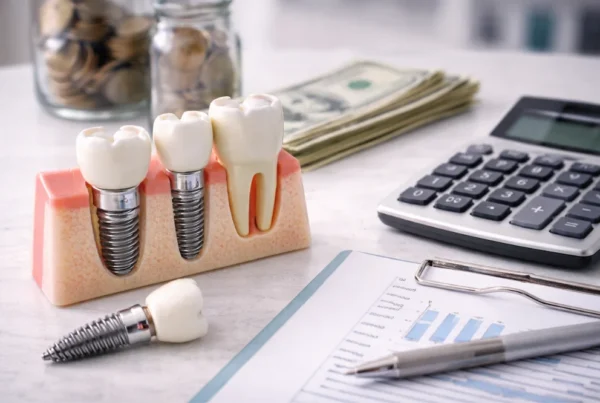
When people talk about implant materials, they often think there is only one choice to make. In reality, dental implants are made of three main parts, and each part can use different materials. Understanding this makes the rest of the conversation much clearer.
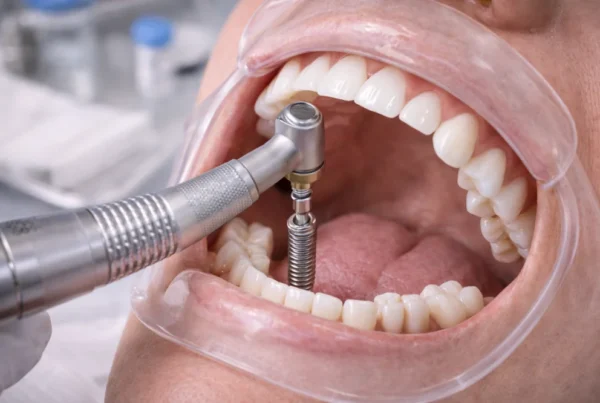
The first part is the implant fixture. This is the portion placed in the bone, and it is usually made from titanium or zirconia. The second part is the abutment, which connects the implant to the visible tooth above the gumline. Abutments can be titanium or zirconia. The final part is the crown, bridge, or full arch restoration, which is typically ceramic, porcelain, or zirconia.
Osseointegration is the process where bone grows onto the implant surface to hold it firmly in place. The success of this process depends heavily on the fixture material and surface. Most Beverly Hills cases use a combination of materials to balance strength, gum health, and appearance.
Titanium Dental Implants: The Longstanding Gold Standard
Titanium dental implants have been used successfully for decades in both dentistry and orthopedic medicine. Their long track record is one reason they remain the most common implant material worldwide.
Titanium and titanium alloys are highly biocompatible. They form a stable oxide layer that allows bone to attach securely, which supports long term stability. Many studies report success rates in the mid to high ninety percent range in healthy patients. Titanium is also strong and slightly flexible, which helps it handle chewing forces, especially in back teeth and full arch restorations.
There are some considerations. In patients with very thin gums, titanium can sometimes create a faint gray shadow near the gumline. True titanium allergies are considered rare, but some patients still prefer to avoid metal. For these reasons, titanium is often paired with more esthetic materials above the gumline.
Zirconia Dental Implants: The Metal Free Alternative
Zirconia implants are made from zirconium dioxide, a high strength ceramic sometimes described as ceramic steel. They appeal to patients who want a metal free option or who have high esthetic demands.
One of zirconia’s main advantages is its white color. This reduces the risk of dark shadows near the gumline, which is especially important in the front of the smile. Some studies suggest zirconia may attract less plaque and support favorable soft tissue response around the gums, which matters in visible areas.
Zirconia also has limitations. It has less long term clinical data than titanium, especially for complex or full arch cases. It is more brittle and less flexible, which can be a concern in high bite force areas. Many zirconia implants are one piece designs, which can limit restorative flexibility.
Titanium vs Zirconia Dental Implants: A Side-by-Side Comparison
Before deciding which implant material feels right, it helps to see the differences clearly in one place. This comparison reflects how materials are actually used and evaluated in Beverly Hills practices, not marketing claims. Use it as a guide, not a verdict, since many patients benefit from a hybrid approach.
| Feature | Titanium Implants | Zirconia Implants |
| Color at gumline | Metallic gray, may show through thin gums | Tooth-colored white, no gray shadow |
| Long-term research | Decades of clinical data | Growing data, less long-term history |
| Strength and flexibility | Very strong with slight flexibility | Very strong but more brittle |
| Suitability for back teeth | Excellent for high bite forces | More limited in heavy-load areas |
| Suitability for front teeth | Strong, often paired with zirconia abutment | Very good esthetics in select cases |
| Plaque affinity | Low, well-studied | Often reported as lower |
| Metal-free option | No | Yes |
| Common Beverly Hills use | Fixture for most cases | Esthetic or metal-free cases |
This table shows why the choice is rarely all-or-nothing. Many Beverly Hills patients receive titanium implants for strength below the gumline, paired with zirconia abutments and ceramic crowns for esthetics. That balance often delivers the best long-term result.
How Implant Materials Interact With Bone, Gums, and Bacteria
Implants are not passive objects. They constantly interact with bone, gum tissue, and oral bacteria. Material choice plays a role, but it is only one part of overall implant health.
Titanium has the most extensive data supporting reliable bone integration over decades. Zirconia also integrates with bone, though the body of long term evidence is smaller. Both materials can succeed when placed and restored correctly.
Soft tissue behavior is especially important in Beverly Hills cosmetic cases. Zirconia’s tooth colored surface may reduce visible shadows in thin gums. Some research suggests zirconia surfaces may accumulate less plaque, but hygiene habits and maintenance remain far more important than material alone.
Metal Free, Allergy, and Holistic Considerations
Some patients are concerned about having metal in their body. Others have medical histories that make them cautious about materials.
True titanium allergies appear uncommon, but concerns about metal sensitivity or holistic preferences are real and should be respected. Zirconia offers a fully metal free implant option for these patients. At the same time, titanium remains the most researched and predictable material for many situations.
A thoughtful evaluation includes reviewing medical history, any known sensitivities, and realistic expectations. In many cases, a hybrid approach provides reassurance without sacrificing long term performance.
How Your Beverly Hills Specialist Chooses the Right Material
There is no single best implant material for everyone. The right choice depends on many factors that must be considered together.
Specialists evaluate tooth location, bite forces, bone volume, gum thickness, esthetic goals, and overall health. Digital scans and smile design tools help visualize how materials will look and function before treatment begins. In Beverly Hills, implant planning often involves coordinating with cosmetic work such as veneers or full smile makeovers.
Hybrid solutions are common. A titanium fixture with a zirconia abutment and ceramic crown often delivers the best balance of strength, gum health, and appearance. Clear communication and experience with multiple systems matter more than promoting a single material.
Get Clear About What Belongs in Your Smile
The real challenge for most patients is not choosing titanium or zirconia. It is understanding how material choices affect their specific smile, health, and long term comfort. Beverly Hills Aesthetic Dentistry serves as a guide by explaining options clearly and matching materials to the full picture.
When you understand how implant materials work together, the decision becomes less stressful. Schedule a consultation with Dr. Jamielynn Hanam-Jahr at Beverly Hills Aesthetic Dentistry to review your scans, discuss esthetic goals, and choose a material strategy that supports both confidence and longevity.
Frequently Asked Questions
Are zirconia dental implants better than titanium?
This question matters because patients worry about choosing the wrong material long term. What they should ask instead is which material fits their specific tooth location and bite. Titanium has the longest track record and high success rates, while zirconia offers esthetic and metal free advantages in select cases. The best choice depends on individual factors.
Are metal free dental implants safer?
Patients often ask this out of concern for overall health. A better question is how biocompatibility applies to their history. Titanium is widely considered safe and well tolerated, while zirconia is an option for patients with metal sensitivities or preferences. Safety depends on proper planning, not just material.
Which implant material is best for front teeth?
This matters because front teeth affect confidence and appearance. What patients should ask is how materials affect gum appearance. Many Beverly Hills cases use titanium implants with zirconia abutments and ceramic crowns to reduce shadows while maintaining strength.
Can different implant materials be combined?
Patients ask this because they assume they must choose one material only. The better question is how materials work together. Hybrid solutions are common and often ideal, combining titanium strength below the gumline with zirconia esthetics above it.